
I had braces in my teens, 20s, and 30s, plus jaw surgery in the early 90s. Everything looked great for many years, but my teeth have slowly crowded again, and my two front teeth are more noticeable now. I only want veneers on the two upper teeth beside my front teeth to improve my smile. A dentist advised me that I would need veneers on all six front teeth, which feels excessive for what I want and is too expensive. Since this is only cosmetic, I don’t want to go through orthodontic treatment again. I’m also unsure how to share a photo with you. How many veneers might I need? I know it would probably help to see a picture. Thanks. Korry from NY
Korry,
Without seeing your smile in person, we cannot determine whether two or six porcelain veneers would be the better choice.
There are generally two possible explanations for your dentist’s recommendation. One is that two veneers may be enough and additional treatment may not be necessary. The other is that your dentist is trying to achieve the most natural, balanced result possible and believes that porcelain veneers on only two teeth could compromise the final appearance.
Why Might a Cosmetic Dentist Recommend More Veneers?
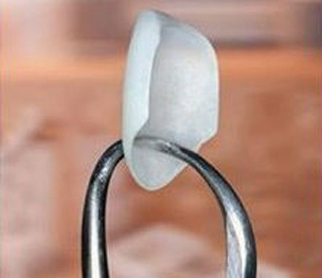
A porcelain veneer covers the front of a tooth
A recommendation for additional veneers is not always about doing more treatment. It may be about creating a smile that looks balanced and natural.
Dentists who focus on cosmetic dentistry often have high standards for their work. They want patients to be happy with their smiles for years to come, and they also want the result with veneers to reflect the quality of their craftsmanship. If treating only two teeth would leave noticeable differences in color, shape, or symmetry, recommending additional veneers will help produce an attractive result for your entire smile.
Could Your Teeth Continue to Move After Treatment?
Teeth can continue to shift throughout adulthood, even years after orthodontic treatment. One patient in her 50s had a gap between her front teeth that was closed with dental bonding. Within a couple of years, the gap returned because her teeth continued to move. After the bonding was replaced, she was provided with an orthodontic retainer and instructed to wear it every night to help maintain the result.
Your situation may be similar. If your teeth have continued to crowd over the years, long-term retainer wear may be an important part of protecting any cosmetic treatment.
How Can You Tell Whether You Still Need a Retainer?
Reduce retainer wear gradually rather than stopping suddenly. Every patient’s teeth respond differently, and your orthodontist can help guide the process. As you decrease wear, pay attention to how the retainer fits.
After your orthodontist recommends transitioning away from full-time wear, you can generally follow this progression:
- Wear the retainer nightly.
- Gradually switch to every other night.
- Increase the interval if the retainer continues to fit comfortably.
- If you feel pressure when placing it back in, your teeth have likely shifted, and you should wear it more frequently.
Would a Permanent Retainer Help?
Some orthodontists bond a thin wire behind the front teeth so it remains in place permanently. This type of fixed retainer helps prevent teeth from shifting and can be especially beneficial for patients whose teeth continue to move throughout adulthood. Based on your history, that may have been a reasonable option to consider.
Brian LeSage, DDS, an accredited fellow of cosmetic dentistry in Beverly Hills, sponsors this post. Read why his patients say he is the best cosmetic dentist in Beverly Hills.