

Lithium allergy is considered rare. Because so few cases have been reported, information about how it may affect dental treatment is limited.
If you have been diagnosed with a lithium allergy, it is important to share that information with your dentist before receiving a crown, bridge, or other dental restoration.
How Are Zirconia Crowns Finished?
Dental laboratories commonly finish zirconia restorations using established manufacturing processes. These procedures help ensure consistent results and efficiency.
Because lithium allergy is uncommon, most laboratories do not routinely alter their finishing methods. For that reason, special requests may require additional planning.
Are There Alternatives to Lithium-Glazed Crowns?
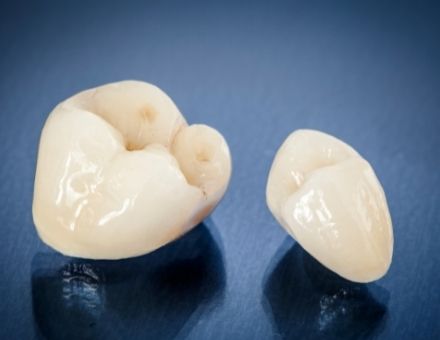
Dental crowns
Some laboratories focus on highly customized work and may be able to accommodate special material concerns. Your dentist can help determine whether adjustments are appropriate for your situation.
Depending on the case, your dentist may discuss:
- Alternative finishing techniques
- Customized laboratory instructions
- Material considerations related to your allergy history
- Whether a specialized laboratory would be beneficial
The availability of these options varies from one laboratory to another.
Why Communication Is Important
When a patient has a rare allergy, communication between the patient, the dentist, and the laboratory becomes especially important. Sharing accurate medical information allows everyone involved to make informed decisions about your treatment.
If you have questions about materials used in your restoration, ask your dentist before treatment begins. A discussion beforehand can help ensure that your restoration is planned with your needs in mind.
Dr. Brian LeSage sponsors this post. Read why his patients say he is one of the best cosmetic dentists in Beverly Hills.